Source Electric Salt and Pepper Grinder Set for Home, Restaurant, and Catering
Explore 30 listings for the electric salt and pepper grinder set, featuring battery-powered options with stainless steel and glass components. Buyers can compare customization, certifications like FDA and LFGB, and packaging details to find the right supplier for their needs.
Key considerations
Products List




Comprehensive Sourcing Guide
Electric Salt and Pepper Grinder Set Sourcing Guide
Sourcing electric salt and pepper grinder sets requires a clear understanding of the diverse product landscape available from manufacturers, particularly those concentrated in regions like Zhejiang, China. The market offers a wide variety of designs, ranging from compact, single-item units to more elaborate two-piece sets, each tailored to specific aesthetic and functional needs. Buyers must navigate a broad spectrum of options, noting that observed listing prices can vary significantly, spanning from low-cost entry-level items to premium models, which reflects differences in material quality, motor durability, and brand positioning.
The core appeal of these devices lies in their ability to provide fresh, consistent grinding for a variety of seasonings, including salt, pepper, and other spices or peppercorns. Modern electric grinders often feature stainless steel mechanisms housed in bodies made from materials such as ABS plastic, glass, or metal, allowing for customization in color and style, including European or rotary designs. Understanding these material distinctions is crucial for procurement teams aiming to align product specifications with their target market’s preferences for sustainability, lead-free components, and overall aesthetic integration into home kitchen environments.
Product Scope and Observed Listing Signals
The current market signals indicate a high degree of customization availability, with suppliers offering options for customized logos, packaging, and even specific product models to meet unique buyer requirements. Observed product attributes reveal a strong emphasis on user-friendly features, such as battery-powered operation and single-piece packaging, which simplifies logistics and reduces the risk of damage during transit. Buyers should note that while some listings highlight specific weights and dimensions, these figures can vary based on the chosen materials and internal component configurations, necessitating careful verification of single package sizes and gross weights for accurate freight cost calculations.
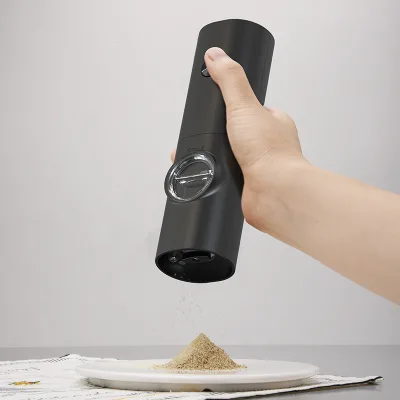
Furthermore, the product scope extends beyond simple functionality to include aesthetic and ergonomic considerations, with options for black finishes, round shapes, and rotary designs that appeal to contemporary kitchen trends. The presence of features like laser-etched logos or silk-printed branding indicates that many manufacturers are equipped to handle private-label projects, making these grinders suitable for retail brands seeking to differentiate their offerings. Procurement specialists must evaluate these visual and structural attributes alongside functional specs, ensuring that the selected models align with both the brand’s identity and the practical needs of end-users who value both style and performance in their kitchen tools.
Technical Specifications to Verify
When evaluating technical specifications, buyers must prioritize the verification of power sources and battery requirements, as these directly impact user convenience and product longevity. Most electric grinders in this category rely on battery power, often requiring specific battery types that may or may not be included in the final package. It is essential to confirm whether batteries are required and if they are provided, as this affects the unboxing experience and initial usability for the consumer. Additionally, the motor’s durability and the grinding mechanism’s material, typically stainless steel, should be assessed to ensure consistent performance over time without clogging or excessive wear.
Material composition is another critical technical aspect, with handles often made from ABS plastic for durability and grip, while the grinding chambers may utilize stainless steel or glass for hygiene and aesthetic appeal. Buyers should verify the specific metal types and any ceramic cores within the grinding mechanism, as these components directly influence the texture of the ground spices and the overall safety of the product. Confirming the single gross weight and package dimensions is also vital for supply chain planning, as these metrics determine storage requirements and shipping costs, ensuring that the final product meets logistical constraints without compromising on quality or structural integrity.
Compliance and Safety Documentation
Compliance with international safety and material standards is paramount when sourcing electric kitchen appliances, particularly those that come into direct contact with food. Buyers should insist on documentation verifying that products meet relevant food-grade certifications, such as LFGB and FDA standards, which ensure that materials used in the grinder’s construction are safe for food contact and free from harmful substances. These certifications are critical for market access in many regions and provide assurance that the product does not leach toxic chemicals into the spices or salt being ground, thereby protecting consumer health and brand reputation.
In addition to material safety, buyers must verify that the electrical components, including the battery housing and motor, adhere to applicable safety regulations to prevent risks such as overheating or short circuits. While specific test data may not always be publicly listed, suppliers should be able to provide evidence of compliance with relevant electrical safety standards. It is also important to confirm that the product is lead-free, as this is a growing consumer concern and a regulatory requirement in many markets. Ensuring that all safety documentation is up-to-date and verifiable helps mitigate liability risks and builds trust with end-users who prioritize health and safety in their kitchen purchases.
Cost Drivers and Commercial Terms
Cost drivers for electric salt and pepper grinder sets are influenced by a combination of material selection, customization levels, and order volume. The use of premium materials such as stainless steel, glass, or specialized ABS plastics can significantly impact the unit price, as can the inclusion of additional features like laser-etched logos or custom packaging. Buyers should anticipate a wide range of prices, reflecting the diversity in quality and features, and should negotiate based on the specific value proposition of each model rather than assuming a uniform cost structure across all suppliers.
Commercial terms, including minimum order quantities (MOQs) and lead times, vary widely depending on the supplier’s capacity and the complexity of the customization requested. MOQs can range from small batches for testing to larger volumes for established retail lines, requiring buyers to align their order sizes with their sales forecasts and storage capabilities. It is crucial to clarify all commercial terms upfront, including payment methods, shipping responsibilities, and any additional fees for tooling or setup, to avoid unexpected costs. Clear communication regarding these terms ensures a smooth procurement process and helps in accurately budgeting for the total cost of ownership.
Supplier Qualification and Quality Control
Supplier qualification is a critical step in ensuring the reliability and consistency of electric salt and pepper grinder sets. Buyers should conduct thorough due diligence on potential suppliers, verifying their manufacturing capabilities, quality control processes, and track record in producing similar products. Given that many suppliers are located in China, particularly in Zhejiang, it is advisable to request samples to assess the build quality, motor performance, and overall finish before committing to larger orders. This hands-on evaluation helps identify any potential issues with durability, aesthetics, or functionality that may not be apparent from product descriptions alone.
Quality control measures should be clearly defined and agreed upon with the supplier, including inspection protocols for raw materials, in-process checks, and final product audits. Buyers should ensure that the supplier has robust systems in place to maintain consistency across production batches, particularly when dealing with customized orders. Establishing clear quality standards and communication channels for addressing defects or discrepancies is essential for maintaining product integrity. Regular audits and feedback loops can help improve supplier performance and ensure that the final products meet the buyer’s expectations and market requirements.
Long-Term Procurement Checks
Long-term procurement success depends on establishing ongoing relationships with suppliers who can adapt to changing market demands and maintain high standards of quality and compliance. Buyers should regularly review supplier performance metrics, including on-time delivery rates, product defect rates, and responsiveness to issues, to identify areas for improvement or potential risks. Building a diversified supplier base can also mitigate supply chain disruptions and provide flexibility in sourcing different product variations or materials as market trends evolve.
Additionally, buyers should stay informed about regulatory changes and consumer preferences that may impact the demand for electric salt and pepper grinder sets. This includes monitoring trends in sustainability, material safety, and design aesthetics to ensure that the products offered remain relevant and competitive. Regularly updating product specifications and engaging in collaborative planning with suppliers can help anticipate future needs and opportunities for innovation. By maintaining a proactive approach to supplier management and market analysis, buyers can secure a reliable supply of high-quality grinders that meet the evolving needs of their customers.
FAQs
What certifications do these grinders have?
The electric salt and pepper grinder sets are certified with LFGB and FDA standards. These certifications ensure the materials used in the stainless steel and ABS construction are safe for direct food contact. Buyers can rely on these verified safety marks for compliance in various international markets without needing additional third-party testing.
Can the product be customized for branding?
Customization is available for this electric salt and pepper grinder set. Buyers can request a customized logo through laser etching or silk printing options. The packaging can also be tailored to specific requirements, allowing brands to maintain their identity while sourcing these battery-powered kitchen tools from manufacturers in Zhejiang, China.
How is the power supply configured?
These grinders operate using a battery-powered system. The product attributes confirm that batteries are required for operation, making them cordless and portable for kitchen use. This electric design allows for effortless grinding of salt, pepper, and other spices without the need for manual cranking or external power outlets.
What materials are used in construction?
The grinder set features a stainless steel blade and handle material made of ABS plastic. Some variants include glass containers with stainless steel or plastic lids containing a ceramic core. These durable materials ensure longevity and resistance to corrosion, making the set suitable for frequent daily use in home kitchens.
What is the typical packaging size?
The single package size varies by model, with dimensions such as 24x5x5cm or 18x5x5cm observed. The gross weight ranges from 0.200kg to 0.250kg per unit. This compact packaging facilitates efficient shipping and storage, allowing buyers to calculate logistics costs accurately based on the specific model and quantity ordered.